
Front-office manager and their teams
The people who run the busiest step need hospitality website development to work on a normal Monday, not only in a demo with clean data.
Hospitality
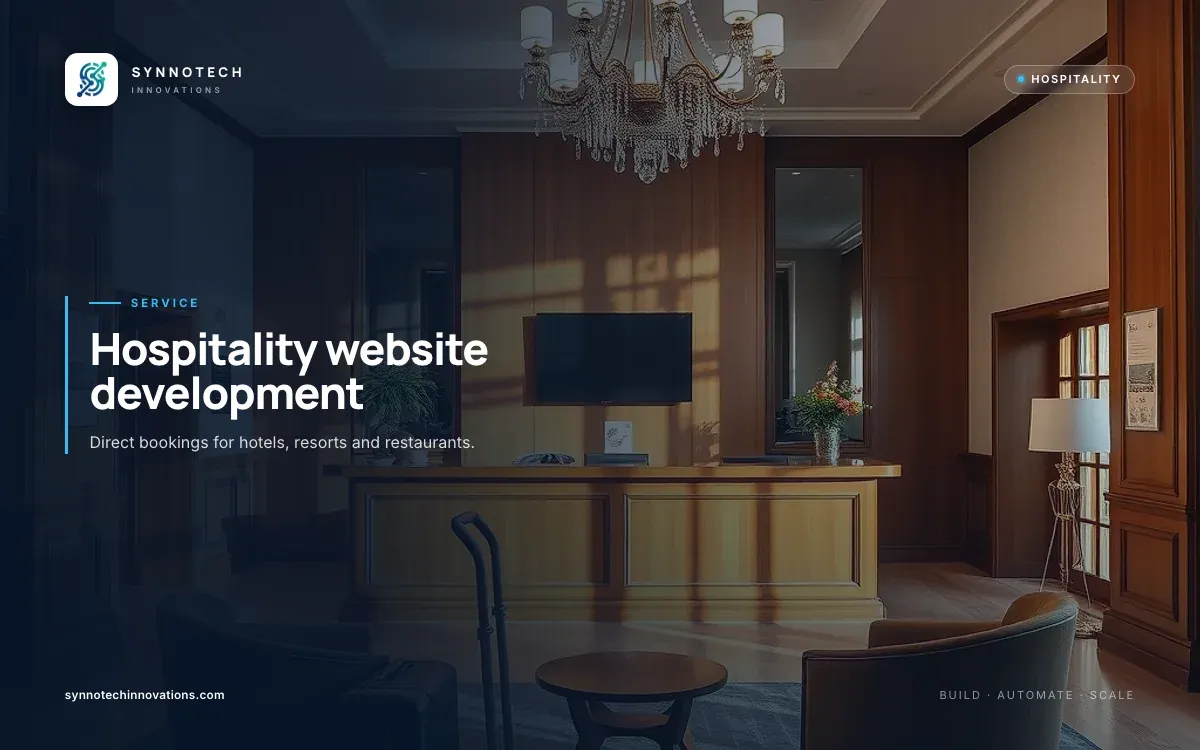
Direct bookings for hotels, resorts and restaurants.
Booking engines, menus and review-driven design for hospitality brands.
Room inventory and rate plans.
QR menus with allergen info.
Google and trip reviews surfaced.
Campaign landing pages.
The bigger picture
Hospitality website development is a workflow problem before it is a software project. Booking engines, menus and review-driven design for hospitality brands. The useful question is not which features to buy, but where reservations and rate plans stop matching what the front-office manager actually does.
Hospitality teams usually run the day across the booking engine, OTA extranets and a PMS, with OTA messaging filling the gaps between them. The symptoms are familiar: Price and availability changes need a developer or a PDF upload. That usually points at a handoff that was never designed - not at a missing dashboard.
Our starting point is the front-office manager who owns the busiest step. We observe the work, write down where information is retyped, and choose the smallest release that removes the worst of it. Success is measured against direct booking share and occupancy accuracy, and everything is handed over with documentation your team can follow.
The scope below is a starting point, not a fixed script. If your operation needs something the list does not cover, we will say whether it belongs in the first release or in a later phase - and what we would leave out to keep the first release honest.
Direct bookings are hard to grow when rates and availability are not synced.
OTA and direct bookings are reconciled manually, and overbookings happen at peak times.
Front office, housekeeping and F&B work from different notes.
Price and availability changes need a developer or a PDF upload.
Feedback arrives on multiple platforms and responses depend on who notices.
Preparing a review means exporting from OTA extranets and reshaping it by hand, so the numbers are always a little behind the decision.
When a step fails, front office and the next team both assume the other one owns the fix.
There is no dependable record of who changed guest requests or why, which is exactly what an auditor asks for first.
Who this is for
The people who run the busiest step need hospitality website development to work on a normal Monday, not only in a demo with clean data.
Teams that need the same process, permissions and reporting across sites without a manual consolidation exercise at month-end.
You have added people and volume, and the spreadsheet that once worked is now a risk that only one person fully understands.
Leaders who need booking-to-stay to behave consistently when a new hire, a new branch or a new client joins.
Teams that want a partner to ship the first release, document the decisions and leave a codebase they can extend.
People who need evidence on demand: who accessed what, which approval was given, and how long records are retained.
Small teams that need working software in weeks, with a scope they can defend to a client or an investor.
Organisations replacing a PMS without pausing the business or losing historical reservations.
Inside the scope
Explore what goes into hospitality website development.
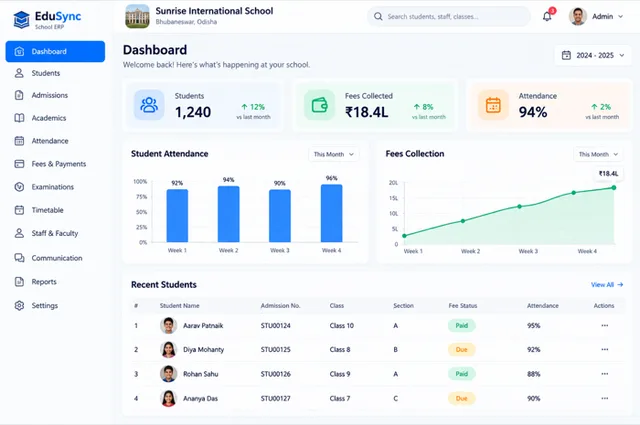
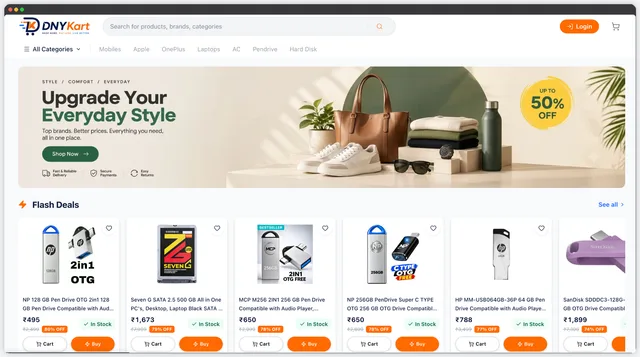
Room inventory and rate plans. In practice this is the step the front-office manager relies on when rate plans must be right the first time.
QR menus with allergen info. In practice this is the step the front-office manager relies on when guest requests must be right the first time.
Google and trip reviews surfaced. In practice this is the step the front-office manager relies on when menus must be right the first time.
Campaign landing pages. In practice this is the step the front-office manager relies on when reservations must be right the first time.
Daily and weekly views built on the same records the team already maintains, so front office, reservations and F&B teams stop rebuilding spreadsheets before every review. The measures are chosen with you - typically direct booking share and occupancy accuracy - and reviewed against a baseline agreed at kickoff.
Access is granted by role and location, with a record of who viewed or changed reservations. Sensitive approvals are separated from routine edits, and break-glass access is logged so an urgent exception does not become an invisible one.
Existing reservations, rate plans and balances are inventoried, mapped and imported in a dry run before switchover. You get a reconciliation report and a read-only window on the old system, so a question about an old record does not stall the rollout.
Documented connections to OTA extranets and a PMS, plus OTA messaging for reminders and updates. Each integration has an owner, a failure mode and a retry path, instead of a webhook that silently stops delivering.
How we work
We sit with front office, reservations and F&B teams and follow reservations through the day. The output is a one-page map of who touches what, where information is retyped, and which handoff causes the most friction.
OTA mix and direct share. We agree the success measures - usually direct booking share and occupancy accuracy - and write down what is explicitly out of scope for the first release.
Fast pages + booking flow. The build is reviewed in short increments with a staging link, so feedback is based on working software rather than a slide.
Connections to OTA extranets and a PMS are tested with real data. Existing reservations and rate plans are imported in a dry run, reconciled with your team, then switched over with the old system kept read-only for a defined window.
One team uses the release for real work while the rest of the organisation continues as before. We watch usage, collect objections and fix the first three issues that block adoption instead of defending the design.
A/B tests on offers and CTAs. Training is role-based, and the runbook is written for the person who inherits the system rather than for the person who built it.
Code, environments, DNS, credentials and documentation are transferred to your ownership. If you want us to stay, support runs on a defined response window with a named contact and a short feedback loop.
Business value
Treated as a success measure from the first workshop, then reviewed again four weeks after launch and documented against the baseline.
Tracked in the same operational report the team already reads, so the improvement is visible without a separate study.
Written into the handover notes with the baseline, the measurement method and the person who owns the review.
Fewer retyped reservations and fewer reconciliation exercises, because the same record drives the next step instead of being copied into it.
Each handoff has a named owner and an escalation path, so a stalled item is visible before it becomes a customer complaint.
Daily and weekly views built from the operational record, so direct booking share is available during the review rather than after it.
Access and approval history for reservations is attributable and retained, which shortens internal reviews and external questionnaires.
Documentation and runbooks reduce the number of processes that only work because one person remembers how.
Why Synnotech
We start from how front office, reservations and F&B teams work today, then build hospitality website development around the handoffs that cause the most friction. The roadmap is chosen by evidence, not by a feature catalogue.
Design, build, hosting and support sit under one roof. When something crosses a boundary, there is no vendor ping-pong and no gap where responsibility quietly disappears.
Every two weeks there is a deployed release and a short written note on what moved, what did not and why. The measures are agreed up front - direct booking share and occupancy accuracy - and reviewed after launch.
Code, accounts, documentation and runbooks are transferred to you. Support is a choice you make, not a dependency we design into the system.
Controls are written into the schema and the interface, with awareness of GST invoicing rules and guest data protection expectations. We do not sell certification, and we do not pretend software alone creates compliance.
What you receive
One page that says what ships in hospitality website development, what does not, and how direct booking share and occupancy accuracy will be measured against a baseline.
A practical map of how reservations moves between front office, reservations and F&B teams, including the exceptions that never appear in a requirements document.
A deployed release covering the core flow, with a staging link, a short walkthrough and a rollback path that has been tested.
A dry run, a reconciliation report and a read-only window on the old system, so historical reservations remains answerable after switchover.
Documented connections to OTA extranets and a PMS, with credentials, failure modes, retry behaviour and an owner for each.
A readable matrix of who can view, edit, approve and export, including the break-glass path for urgent exceptions.
Setup, deploy, backup, restore and rollback steps written for your team, including the small details that usually live in someone's head.
Short sessions for front office, reservations and F&B teams, with recorded walkthroughs and a one-page cheat sheet per role rather than a generic manual.
Architecture notes, data dictionary, API references and decision records, organised so a new hire can find the reason behind a choice.
Access logs, approval trails and retention settings aligned with GST invoicing rules, presented in a form your team can hand to a reviewer.
Code repository, environments, domains, credentials and third-party accounts transferred with a checklist both sides sign.
A named contact, a response window and a short feedback loop, with monitoring and backup checks included if you choose ongoing support.
The intended outcome
Booking engines, menus and review-driven design for hospitality brands.
Security & compliance
Role-based access with per-module permissions and an audit trail for every view and edit of reservations.
Encryption in transit and at rest, with a documented key-management and retention process aligned with GST invoicing rules.
Consent and data-sharing rules that reflect how reservations is collected, used and shared across teams.
Configurable retention for reservations and rate plans, including a defensible deletion process.
Separation of duties for sensitive approvals, with break-glass access that is logged and reviewed.
Backups, restore drills and a written incident-response path, rather than an untested assumption that recovery works.
Awareness of guest data protection expectations and food allergen disclosure practices, applied to the scope of the system rather than claimed as a certification.
Yes, with common PMS providers.
Most engagements ship a working first release in 4-6 weeks. The exact window depends on how many systems need to connect and how clean the existing reservations is. We agree the first release in writing before work starts.
Most first releases are a fixed fee with a fixed scope, agreed after the discovery workshop. Later phases are priced separately so you can stop, continue in-house or bring in another partner without renegotiating the whole programme.
Yes. We start with a short audit of the booking engine, OTA extranets, a PMS and the data that moves between them. Where an integration is missing, we document the workaround and decide whether to build a connector, change the process or leave it alone.
You do. Repositories, cloud accounts, domains, credentials and third-party subscriptions are transferred at handover, along with the documentation needed to operate them without us.
We inventory the sources, define merge rules for reservations, run a dry-run import, reconcile counts with your team and only then switch over. The old system stays read-only for a defined period, so an old record can still be checked.
Expect one working session per week with the people who own the process, plus a short review at the end of each increment. The front-office manager who uses the system every day is the most important reviewer, not the steering committee.
Yes, on a monthly retainer with a defined response window, monitoring, backups and a named contact. Support is optional; the handover is designed so you are not locked in.
We review direct booking share and occupancy accuracy against the baseline, fix the issues that block adoption, and agree a short list of next modules. The next phase is chosen by measured value rather than by the original roadmap slide.
If a product fits the way front office, reservations and F&B teams work, we will say so. A custom build makes sense when the workflow is a competitive advantage, when integration is the hard part, or when the available tools force a process your team does not actually want.
Let's work together
Tell us what you are building or what needs to work better. We will help you define the next step.